NS Politics

Everything is politics, at least to someone.

Posts!

Thought Stream

  • Imperial Oil (ExxonMobil) Cuts Jobs

    ExxonMobil Leaves Loves Canada!

    You can’t make us pay to clean this up once we’re done either.

    We at ExxonMobil would like to remind Canadians that as the owner of 70% of Imperial Oil we call all the shots. Including inserting all the highest executives. And at Imperial Oil (and/or ExxonMobil depending on any legal issues that may or may not arise, we are legally two different companies, don’t get it twisted) we believe our people are our greatest strength.

    As long as they don’t cost too much.

    And while we might be legally and realistically obligated to keep a certain number of operators and technicians to keep a plant running we realized that design, optimization, and compliance are huge areas to potentially streamline our operations. And we are passing the savings on to you, the shareholder! So it is with great pride we announce that we have the privilege of laying off 900 Canadians.

    You are a shareholder right? We wouldn’t want to miss out on this golden opportunity!

    We have spent the last 5+ years innovating the art of offshoring jobs. Conventional wisdom said that natural resource jobs seem land locked to the country they are found within. But we wanted to think bigger and leverage our position as a global mega corporation to take those good paying jobs and put them in India instead! Because those good paying jobs don’t pay as well there! Did you think your family member who went for an engineering degree had safe job prospects? Not if we can help it. Tell them to buy stocks.

    We all have to face the hard facts that despite Canada’s oil and gas sector making money, it simply doesn’t make as much as it could. Like it does in other countries that are easier to plunder. Canada needs to look inwards and ask how it can make itself competitive in the global market. The cost of Canadian workers is just not something our shareholders can bear.

    We look forward to not having to pay the retirements we promised those employees when they joined. It’s a harsh world for anyone without capital. Our company knows this because we worked hard for our capital by destroying the global climate. The people we grace with continued employment will just have to work harder to pick up the slack of two other workers. The sense of pride and accomplishment they get for their works will no doubt improve their lives.

    We will usher in a new era of Christian work ethic!

    For the poor.

    They should have been born rich, or have retired at age 55 in 2007.

    Disclaimer:

    The author of this post does not speak on behalf of ExxonMobil or Imperial Oil, which should be obvious from the content. The author merely wishes to express discontent that there never seems to be such a thing as enough profit, regardless of the lives upturned as a result. And a real government would not let those jobs be off shored to places that do not pay taxes or live in our communities.

    Some true facts:

    It is worth noting that less than two years ago Imperial Oil, in agreement with ExxonMobil as the primary shareholder, bought back approximately $1.5 billion in its own shares. A move one does when it has no interest in investing in anything but wants its share price to go up.

    Imperial Oil has also been operating at a profit in the billions of dollars each year since 2021, with 2022 being a record year. But global oil prices have been slipping so it’s time for the chainsaw.
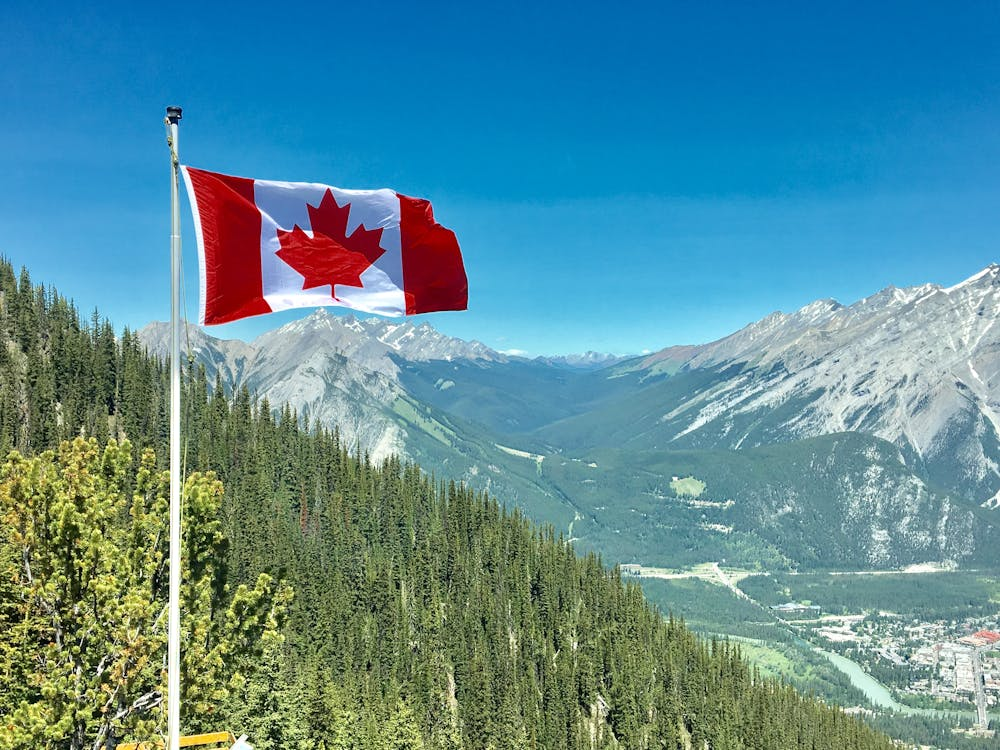

  • Canada Day 2025 – Not Like Them

    US vacations make you traitor.

    Having an enemy worse than you typically makes you look significantly better by comparison. Existential threats also force a certain amount of action. Most of the 20th century was in the shadow of communism, and since it was not as easy to get information out of a secretive anything as it is today you could argue it took a long time to confirm that the USSR had not figured out a good way to run an economy. The mood at the time forces some extent of negotiations with the working class, lest your state become the next theatre of a communist civil war. Cold War technological races pump up spending and invigorate a sense of needing highly educated people, especially in the US space race. Conflict, after all, does tend to get things done.

    Feel the patriotism burn in your soul. And hope it doesn’t eventually become malignant.

    And now as Canadians we border a country half filled with lunatics. To be a bit more fair only about two thirds of the eligible voters cast a ballot in the 2024 US election. So about a third of the country is confirmed lunatics, one third doesn’t care, and one third loves the status quo. This is hyperbole but I don’t feel like giving the US much credit right now.

    So today we are Canadians dammit! Better than the US because we haven’t fallen nearly as far. But this is going to be tough to maintain. We don’t have much choice but to negotiate with a lunatic. A lunatic that under modern trade and labour has a huge impact on our economy whether we like it or not. We just scrapped a cool tax idea on big tech who deserve to pay after they have gotten soft on the whole democracy and truth idea, if we don’t get a deal we should bring it back.

    Those tech companies don’t actually believe AI will set us free. You will not be getting money for nothing in that future.

    Make Them Hurt As Much As Possible

    It’s okay to start wishing harm on your enemies… right?

    They only know money, this American administration has no concept of soft power. That’s not great because boycotts are typically really hard to maintain if there’s anything you really like about a product of service. Bud Light might be easily replaceable by Coors, but is that Disney World vacation you promised you would take your kids on before they got old and jaded easily replaceable? I guarantee you neither that company or state deserves your money.

    I offer my condolences to the good people of Maine, but sort your own country out first before you ask for more tourists. Maine isn’t particularly Republican either but 45% for Trump is a good indication of how low things will go.

    Keep the American liquor imports out, find as many items like that with domestic and international supplies that can easily replace them.

    Republicans want their people to be poor. Their donors love it, and some of them are true believers that working people to death is the moral thing to do. We can’t chase them to the bottom, they are trying to dig deeper than we can possibly imagine. And if you actually talk to people about how they feel about the super wealthy you might get an idea that a more progressive stance on wealth is warranted. They’ll fight like hell to stop it though.

    Be proud of what we can accomplish as a nation, we are to some extent built on ideals that are worth holding onto. The introspection can be a little less this year.

  • Ramblings on Democracy

    A capitalist dictatorship will not improve your living conditions.

    Money in politics is proving to be a bit of a problem. The USA is the worst example, “corporations are people” and therefore can sling as much money as they want at campaigns. Probably one of the worst interpretations of free speech a court could have landed on. All that money results in politicians too used to the status quo to pitch something different, and too scared of potential economic consequences of chasing after bad actors. Like the companies that get to be incredibly profitable and pay no tax, neat.

    I also believe that democracy is not the default state of humanity. At least not at a high conceptual stage of a nation, the kind of thing that exists because we believe it exists and will it into being. A functional democracy is difficult to maintain, it requires a large amount of infrastructure on both the public and private ends to keep citizens engaged and holding existing powers to account. Limiting power into a few hands is far easier to do. Limiting information on what the government is doing and what alternative parties are saying is relatively easy as Hungary has proven in recent years. We are in an interesting point of time where pretending to be a democracy is a kind of public performance, only a handful of countries don’t call themselves democracies, but a lot of countries don’t really live up to the ideal.

    We love the idea of old Athenian and Roman democracies. Both failed for different reasons. I don’t think democracy will ever go away, but that doesn’t mean it can’t fail.

    I think to some degree we even understand that democracy is hard. President Zelenskyy is stuck in a war and hasn’t held an election since it started, for some context the UK did the same during WW2 holding no elections between 1935-1945. Canada and American democracy fared better during the world wars since the continent wasn’t being bombed, but democratic norms are usually put on hold. There’s a lot more secrecy expected of a government at war, and usually a rally behind the flag that boosts incumbents which arguably gave the USA its only four term president (while that was not illegal at the time this kind of break of convention needs a firm limit. Once your conventions start falling like dominoes your democracy won’t likely fair well). It is simply more efficient to be less democratic.

    The allure of authoritarianism is usually that “our” people win. And maybe initially they do, but an eternal need for enemies doesn’t fulfill that desire forever. The circle must either expand to an external threat, or contract the definition of the enemy within. Is the MAGA movement happy to call the crusade done at illegal immigrants when they don’t seem to care on proving if they actually are illegal already? How tight can the circle be?

    I think Bernie Sanders and AOC are correct in viewing the larger shift to be an oligarchy. Corporations already have more influence than individuals, because money buys influence.That is a fake democracy we could end up with. Where the people are so limited in power that an election doesn’t matter, the decisions are all the same no matter who wins. All that matters is that enough of the population thinks the people won. Class repression dressed up as a culture war.

    US Republicans don’t really pitch policy ideas that help, it’s a capitalist free-for-all wrapped in a Christian rule of law veneer. And any belief the Republicans had in their democracy went out the window after Trump proved to have enough of a following to attempt a coup. Allowing him to run again is not rule of law, it’s self preservation. But the Democrats don’t fare much better, turns out if you pull out the populist messaging you aren’t left with much to run on besides the status quo. They at least seem to still believe in the husk of their democracy. And yes having a leader that can look competent to sell your message helps a lot, it should have been knives out for Biden the moment it was clear he wasn’t in a position to run again. Biden as a human being might not have deserved it, but if you believed there was a threat against your democracy the sacrifice would have been worth it.

    From CBS. There might not have been a bigger failure in democratic ideals than the 2024 debate of two people too old to be coherent. Trump never sounds smart but he can pull funny and quippy, Biden had nothing in him at this point.

    Canadian elections are still based on some ideals. Carney at least had a pitch for national building in the headwinds of outside economic threats. Put up against Poilievre’s “cut it all” policy it seemed to work to build a bigger coalition. Then again “cut it all” looked better before Trump and still built a coalition that normally wins elections. Lets just hope they all keep believing in democracy.

    We are losing news in this tech money future, it’s too expensive to produce good reporting. The news we get the easiest access to (like an internet blog, heyo) has no kind of accountability if it turns out to be false. The algorithms demand good profitable content, preferably AI based so no one gets paid. The end result I fear is one where we give up everything to make job numbers look good, but 100% employment does not mean those jobs are good.

  • The Suburbs Were For Our Parents

    Even if they thought it was for their kids.

    I don’t mind driving, in some cases I even like it. During my COVID lockdown winter I would take an hour long drive just to get out of the house, without the pain of Alberta winter temperatures. But after temporarily living in the Halifax outer suburbs for a few months this year, I’m over it. The commute was long, running to the shops was a time sink if it was anything beyond the typical grocery run, and meeting up with people was a pain.

    The suburbs are inherently isolating for a lot of people. I certainly wasn’t the target demographic to be living there, single adult with no kids. I don’t even have a dog. But that got me thinking about my experience as a kid in the suburbs.

    The new suburb design is a bit more space maximizing, trees be damned. It’s so close to connecting buildings which would have an efficiency benefit but touching walls is socialism.

    I was generally pretty lucky as far as low density suburbs were concerned. Most of the homes were new builds only a couple years old by the time I was born. As a result the demographics of homeowners were heavily skewed to young parents buying their first homes. There was a high number of kids my age for the number of people that particular suburban neighbourhood could house. This is good for young kids that can generally get along with any other kid their age. We didn’t have the numbers to form a sports team, or a field to play anything but we had woods and hills.

    Enter the pre and early teen years. In my experience this is when kids narrow in on a personality and start closing in their friend groups. Granted how small that circle becomes varies wildly, some people like breathing other people’s air, others like a small group. I’m the later, so I liked doing things with my close friends. Unfortunately, even though we went to the same school, they weren’t close. Thus enters the main problem.

    You can’t go anywhere without a car.

    Before the age of 16 you can’t drive, period. Transit is too expensive for the amount of users in the far outreaching suburbs, Express lines are usually scheduled for work commuters and still require driving to get to them. So parents take on the burden of driving their kids to everything that isn’t school. And when they can’t kids stay at home, maybe walk the subdivision? I got to experience a bit of tighter community as a kid, one where the kids could walk to a library or a corner store. It was exciting to have just a couple options when you normally had one. Penny candy hell yeah!

    I don’t think the car dependency is good for parents either. If giving your children a full life feels like it prevents you from having one maybe you won’t as many kids. I think we created helicopter parents by accident, but it was an outcome of a way of life that gave a lot of people the feeling that they had to live through their kids. Coupled with moral panics about child abductions in the 1980s, which do happen but are incredibly rare, you don’t want your kids leaving the safety of the quiet suburb if they live in a place dense enough to go anywhere. We create a system of behaviour then complain it ruins kids, forever and forever.

    Encountering nice people is more likely than you think.

    I will acknowledge that as of time of writing we have a missing children case active in NS. Information made public at this point hasn’t tipped if any outcome is more likely than another. I don’t wish to speculate, because in cases like this wide speculation can ruin peoples lives if it ends up being wrong. See the satanic panic for clear examples of lives being ruined over nothing (a key point if you know nothing about this event in the 1980s was that no one was ever caught doing “Satanic Abuse” anywhere).

    A city that is safe for kids old enough to walk and take transit on their own should be the goal. Give them independence, build places they can hang out with their friends. We give kids cellphones really young now anyway, it’s not like you can’t reach them. Parents will even be allowed to do something besides watch their kids 24/7. Societal trust is good.

    Margaret Thatcher jump scare. For a counterpoint she once said “There is no such thing as society. There are individual men and women and there are families.” source BBC. A lonely view of the world that I think sucks.

    The partial backtrack

    If you want a house in the suburbs with a big lawn and a big garage for all your toys that is fine. I don’t think that’s a crime to want it. But don’t think that it is required for your 2.5 kids, do it for yourself. Kids are adaptable to all kinds of situations, if you let them be. They might even enjoy the freedom.

  • Music! – Wintersleep’s The Great Detachment and Me

    There are formative parts of our lives, and one of mine might have created a negative worldview.

    I entered what I would call true adulthood in 2019. That’s when I finished post secondary education and began my career. I moved across the country by myself for the job, the timing of that would end up not being ideal but it wasn’t predictable. I got one year into that new part of my life, then the world ended (temporarily).

    My COVID experience is best summed up as being fine. I was fine. Super fine. Uncertainty messes with your brain, there was a long period where I didn’t know if I was going to be fine. Some people were getting sick, some people weren’t surviving getting sick, my company was doing layoffs like most businesses, and I was isolated. Nova Scotia locked down hard to minimize damage so there was no going home for awhile, not unless I was laid off and had to move back in with my parents. Alberta went the other way restriction wise and eventually became infested with anti-vaxxers.

    Are you going to be alright?

    It was a time to wait and see what happened, so it was the first time in my life I really started looking for music that I emotionally felt. I was more of a “switch between a couple radio stations” type of music listener before that. There is plenty of music I latched onto during COVID but to focus on one that happens to be a Nova Scotia band, I got pretty into Wintersleep’s 2016 album The Great Detachment.

    Wintersleep’s The Great Detachment Cover.

    My familiarity with Wintersleep before this had only been a couple of their hits, 2007s Weighty Ghost was the only one I knew I had heard before. Maybe The Great Detachment’s first track Amerika. Which is as good a place as any to start.

    My freedom, I don’t want to die.

    Amerika is a song of the 2016 moment made evident by the music video they released in April of that year. Uncertainty about Trump and what he meant for the USA was a huge part of the moment with the music video being much more explicit on that point than the song by itself. And by 2020 I felt that uncertainty everywhere, and Trump would keep offering it until Biden was elected in November 2020. And then offering it some more in January 2021, continuing to the time of writing in 2025

    But it was Spirit that broke me.

    I am a liar.

    I spent a whole year telling everyone I was fine because other people clearly had it worse than me.

    The question the song repeated over and over, “Are you gonna be alright?” That was a question I wanted to scream at myself to find an answer that I just couldn’t be confident in. I’m not sure I knew how to deal with being sad, I’m still not sure I do. I’m not sure if a lot of men do. Sad is an emotion we aren’t supposed to feel. But not feeling didn’t help so I wanted to feel it through other mediums. Music, games, books, the stuff a good citizen was supposed to do at the time.

    At the time I felt devoid of any kind of purpose. The momentum of a routine and a paycheck was all that was keeping me going. And I was doing a job to do what? Get oil out of the ground? Forever? Until I retire and die? Having most of what made life fun stripped away made me hyper focused on what work was, what the company was doing, what most companies were doing. Work was a transaction that they might end on a whim, why should I feel good about doing my job? And government response was all over the place, a grand failure to coordinate. I was getting more and more bitter.

    How have I become a man I despise.

    That was a tiny bit of clarity to hold onto. No matter what, I couldn’t become someone I hated. I wasn’t happy, but I had to stay me. So I would jam out to the Great Detachment album while doing work for quite a while. For that point of my life, four years after it released, it helped.

    That bitter cynicism has yet to leave. I think our systems taking a dive right when I became an adult solidified that into something that is hard to undo without a major change, in my life, or the world. I imagine people trying to enter the job market during the great recession felt, and maybe still feel, similarly. There will be situations like these again, a lot are hard to predict. But we should try to get better at dealing with the human cost, if only for collective trust.

    Some trust in our systems is good, falling trust seems to make a lot of people think a serial liar can be trusted because he’s an outsider. But trust is earned, we can’t give it back for free.

  • Vibes Based Immigration Policy

    When you’re told growth is everything, don’t be surprised when everyone chases growth.

    There’s a lot to what’s going on in the USA, and Los Angeles in particular right now. Declaring emergencies seems to be the everything proof shield that allows a democracy to become a dictatorship, maybe there should have been a higher bar to declaring one. Democracy at work. Cracking down that hard on immigration probably makes no rational economic sense.

    There’s a general problem with declaring “immigrants bad” that applies across the entire developed world. People aren’t having enough children to replace themselves, and they haven’t in a long time. 2.1 births per woman is regarded as the replacement metric, Canada dropped below that in 1972.

    Enter a lot of people trying to figure out why. Most summaries will declare multiple reasons that are likely all true; too expensive, lack of time, lack of interest. It’s likely an area that needs super deep dives to avoid being completely off base or simplistic. But if I were to get simplistic, after years of fighting for their rights women were offered a choice and they took it. If you don’t want kids, that became an option available to you. Add to that children becoming an economic drain on their parents as the economy and norms changed (bye free labour). A rant for another day is how I don’t think we’re doing many people a favour by letting kids under the age of 16 work at Burger King.

    To be extra clear, that is all a good thing. I will not advocate for a JD Vance “take away rights to make line go up” approach. Women and children shouldn’t be miserable so that we can perpetuate that misery until the death of our planet or sun. Whichever comes first.

    I bet some men didn’t like to be forced to have kids either, although they would have had an easier time getting away from it. Why don’t people think of men?

    If a family in the 1950s could support a family on one salary maybe women entering the workforce should have either made those households rich or both spouses have more time off. You might create a natural circumstance for people who wanted kids to have more. That’s kind of our best case now, if you want kids we can make it easier for you to have more. But the shareholders require value creation so get back to work.

    And stock photo families seem to be having so much fun.

    That preamble was all to lead to the natural outcome, without immigration we start dropping population pretty fast. Ask any politician, federal or provincial, if they want population to go down. With NS just a bit over 1 million people at the moment, Houston had previously said he had a goal of hitting 2 million by 2060. That’s some boom time growth, I’m just not sure what the boom is yet.

    Growth is good. Because the economy just dies if it doesn’t grow. That’s surely sustainable. So we need people moving to NS, but at the national level the other provinces want the same thing. So the country needs to bring in people to avoid a winners and losers situation.

    There is likely ideal immigration targets. I think it’s been worked out to something like “as many as possible, until people get mad”. Was it too many in the fallout of COVID? How should I know? In some places probably, in others it didn’t feel like it. It’s quite possible a lot of people got caught up in the “no one wants to work anymore” trend of the time. If Burger King is out of cheap labour the government is going to hear about.

    It’s vibes all the way down, because if we put the effort in we could probably handle it. Enough housing, enough infrastructure, enough support and high numbers would probably be fine. But just bringing people in with no plan probably doesn’t work in places that are struggling to handle existing growth. But at least remember the people here are human beings. I’ve even been told the people everywhere else are human beings, they might even think using the same flawed brain processes as me. I just don’t want my brain to start thinking the cruelty is the point.

  • Untax and Spend.

    I’m the last registered socialist.

    Today Prime Minister Carney announced that Canada will hit the NATO 2% of GDP target for military spending within the next year. This was inevitable, or at least moving in this direction was. It’s as close to a bipartisan issue within the NATO countries you could hope to find. It will help Canada’s credibility if we try to shore up defence agreements with Europe, as the USA starts indicating it doesn’t want to include us (or Europe based on the leaked signal chats) anymore.

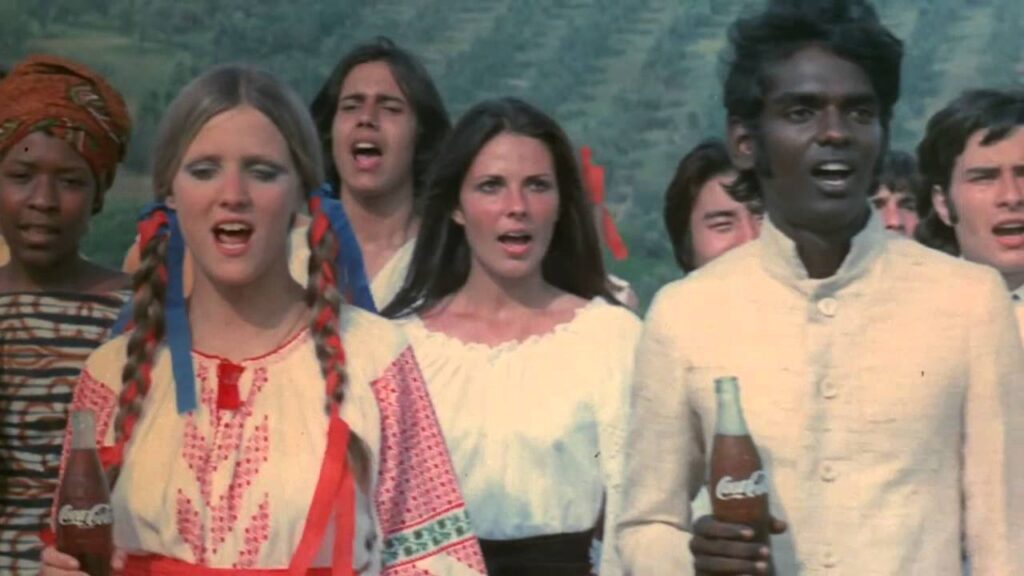
    As much as I might dream morally of a world with no need for military and war, we don’t live in that world. All evidence points to humanity being too confrontational for that message to hold long. Coca-Cola and Pokemon Go only brought us together for so long.

    From the Coca-Cola website themselves, “I’d like to buy the world a coke” Ad from 1971. At least Pokemon Go brought us together a bit more organically.

    So defence spending will have benefits in certain places and to certain people. Like any government spending that isn’t just sent to the shadow realm.

    But turning government spending into more government revenue is a trick only a tax collection agency can pull. So this spending will either increase the deficit, require new taxes, or require cuts elsewhere. Carney indicated cuts elsewhere were likely. After all, he has just cut taxes. Everyone is cutting taxes. Because cost of living is rapidly reaching levels of unbearable and a large cohort of people might revolt if nothing happens to bring it down.

    In the short term this is fine. In the long term we might be kicking a debt crisis down the road where tough decisions will be made at the expense of a lot of people. Again. Recessions are cyclical. Hurrah.

    What seems to baffle us about the economy we created is how to fairly tax income, sales, investments, and corporations. As long as we don’t pull a Romney and get people and corporations confused the answer to this seems to depend entirely on what you hold. Income and sales taxes impact the lower wealth bracket of working age people, most which seems to be the driver of all the recent tax cuts. Capital gains on investments were pitched to be raised, but that was a different Prime Minister so that has since been scraped. Investments do benefit people besides the rich, if you have parents thinking about retirement they are probably relying on them at least partially. Like the cost of housing, once you own them you don’t really want the price to go down or taxes to go up. And I doubt most economic analysts would recommend raising taxes on corporations during a trade war against an American president trying to get them to leave our country for the USA.

    What about wealth? This would probably be the most popular among the general population if we can find a way to do it. Easier said then done I’m sure, since corporations with a lot of money have figured out ways to avoid paying taxes by moving country flags around like a cruise ship. I love a good race to the bottom. It would at least be worth figuring out a method to prevent rich people from taking out loans against their assets, which isn’t taxed since they never sell anything and loans aren’t taxed. Neat trick with Twitter Elon, I wish you nothing but the worst with your Trump breakup.

    So income and sales taxes went down and… nothing else really changed. So government income is lower… and spending is going to be higher. Unless we create growth.

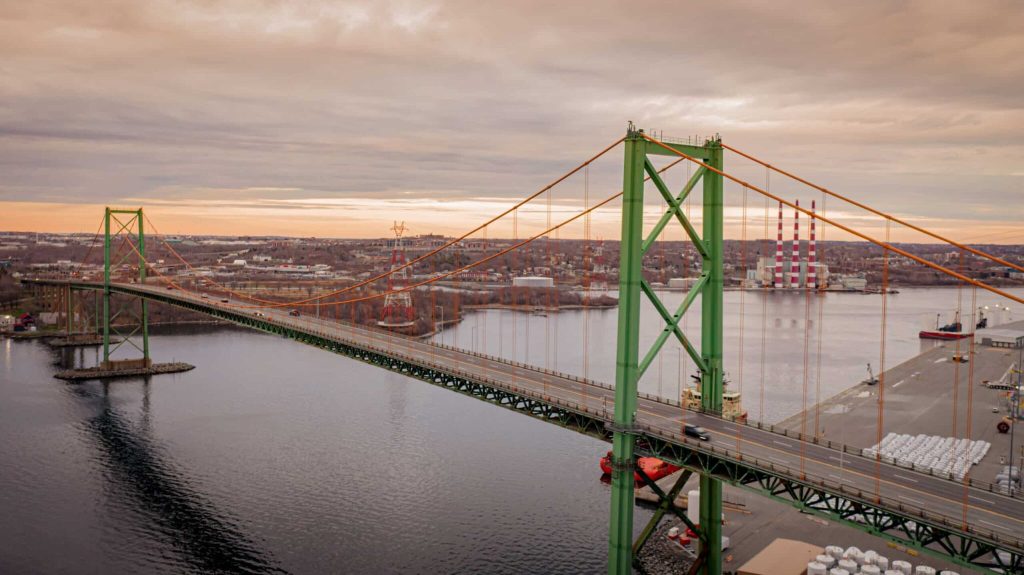
    From halifaxharbourbridges.ca Removing the tolls on the harbour bridges has benefited me but it will cost the province, and thus all provincial taxpayers.

    How do we create that growth? Well resources tend to be taxed differently, companies can’t really bypass resource revenue but it isn’t stable since it depends on the price of the resource. But still, it’s a guaranteed winner for a government looking for more income. Thus the incentive to chase what’s in the ground.

    Do we need more investment? More entrepreneurs? I don’t know, I’m an idiot and would need some experts to advise on what’s possible and advisable. But as someone firmly within the working age that income matters, maybe we should have given the capital gains increase a try.

    And Now, An Aside on Marginal Income Tax Brackets

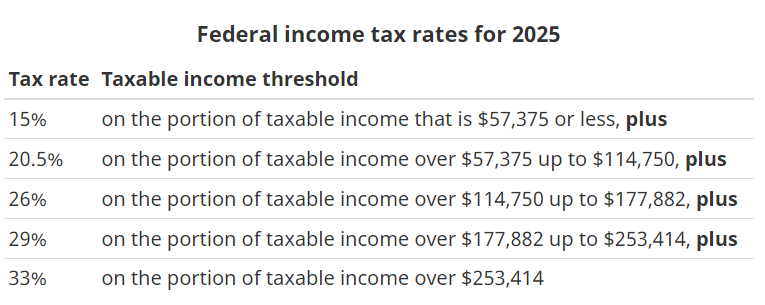
    If you aren’t aware of how income taxes work in Canada it’s worth knowing the basics of marginal income tax brackets. A salary increase is ALWAYS WORTH TAKING, your take home pay will go up no matter how close you are to the next bracket. There is an argument for some people to chose between overtime pay vs time off in lieu, but that’s a calculation of how much the extra time off is worth to you compared to the money.

    A flat tax is a scheme by the rich to make themselves richer.

    Notice how these are bands. If you made $300k in income, you only get taxed 33% on the last $43k of your income ($300k-$253k). Note this only federal tax rates, but provincial income taxes work the same way.

  • Games! – Elden Ring and a World That Wants to Die

    It is said, Jacob Geller did it better.

    A common theme in FromSoftware’s Dark Souls and Elden Ring games is a world past its prime. Something that was great, and you can still see glimpses of what once was, but it’s gone now. Sound familiar to any particular slogans?

    Longing for a golden age now past seems to be something built into humans. Even ignoring prophecies of impending doom, we have written about our own decay for a long time.

    But FromSoftware puts a nice twist on this theme. Because often the desire for the infinite golden age is what makes the collapse worse. “The fire fades” as Dark Souls 1 put it, but the powers of the age were desperate to keep it going without thinking of the consequences. Dark Souls 2 talks about this prolonging of the age as a sin that doomed the world to the same pattern of plenty to decay over and over again. And by Dark Souls 3 the fabric of the world itself is barely hanging on after having forced itself to put off entropy for so long. Jacob Geller did an excellent video comparing Dark Souls 3 to I’m Thinking of Ending Things.

    Elden Ring is a different world with a different backstory but the theme is still there. The Elden Ring is shattered and age of abundance is past, the war to chose a successor is over, no one won, no one can properly die, we all march on until someone can force some kind of resolution. The player characters are a group of people resurrected from the dead as a last resort to fix the state of the world but most of them have been at it so long they have lost the vision of the guiding light to their purpose to the march of time. If they are supposed to save the age it isn’t working well.

    O Erdtree! Grant me succour!

    The lore is so vague and hidden in pieces in these games that on an initial play through you might not realize the choice your character is making. There’s a a cosmic horror element to the theology which is a completely different point of interest. Shout out to Bloodborne for the full Lovecraft experience, in all it’s scary and goofy glory.

    But the backstory implies the world never never considered it coming, at least not in their telling of history. The age of the Erdtree and Marika had a beginning, history predates it, but I think there’s something inherently human to assume that all of history leads up to where we are. And in an age of decay, it leads to a tendency to cry end times.

    What I like about Elden Ring that it’s predecessors didn’t have much of, is people arguing for a different vision for the future. The most basic ending requires committing a sin against the established order because it is so messed up it can’t manage to follow it’s own prophecy anymore. Even the loathsome Dung Eater sees a different world, though he doesn’t do a great job pitching it in human terms. If someone tells you one vision, someone else might counter it with their own, and others might have a crisis of faith in the differences they see from the world they know. Because there’s a value in fighting for what you believe in, even in a dying world. After all, this collapsing world might be the start of something else.

    So as a reminder to myself and others; be safe friend. Don’t you dare go hollow.

  • What Minerals Do To A Community

    Easy decisions rarely exist when it comes to natural resources. Shame since I feel like we are due for an easy one.

    As the NS provincial government tries to scope interest in minerals that may or may not be present within the province it might be worth thinking about the general impacts they have on an area.

    The dream.

    Hurry Up and Wait

    Considering this is at the exploration stage we have no confirmed projects to review at the moment. You might know there’s some oil or some uranium somewhere, but you have to figure out quality and cost to extract before you can even make a call if it’s worth getting. Thus exploration first.

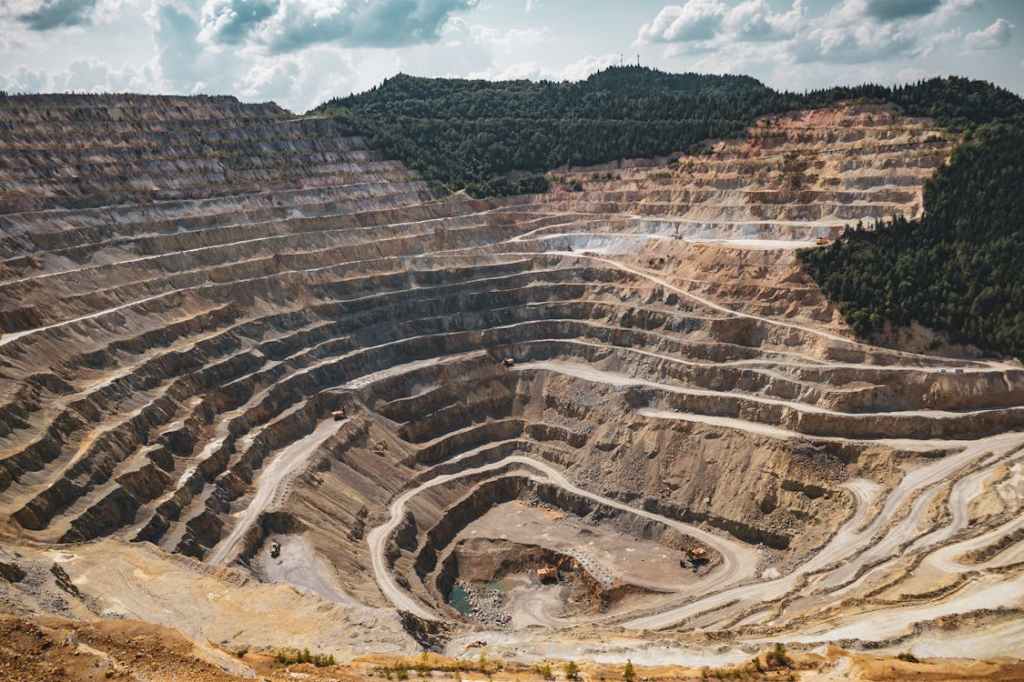
    Environmentally, mining anything is never a beneficial activity for the local area. Best case you have no effects and just hold a healthy side of risk. And risks are never zero, there’s not enough money and tech in the world to reduce all risk to zero. The exact environmental risks will depend on what is found and how you extract and process it. The Fort McMurray oil sands for example is near the surface so not hard to find, but it is hard to process oil out of sand. It takes a lot of hot water which results in energy spent to heat it and tailing ponds to hold it. Containment is key and not perfect, Imperial Oil being the most recent large case of spillage.

    A community that’s not in hard times likely won’t want this kind of risk. The counterpoint is an argument for the collective, some risks are worth the benefits after all. So what do we get out of it.

    What We Get

    JOBS! This depends heavily on process. To get a lot of jobs you need something that’s very profitable but requires a lot of maintenance to keep running. Project construction is a lot of jobs initially, but it’s cyclical at best and I would caution against too much excitement to that kind of growth. Companies also love talking about how many indirect jobs they create. It is true in the case of long-term jobs, because if more people live in a place to work, more jobs will be induced by that population (more people need more teachers, more stores, etc). This assumes those workers live in local communities, the benefit will be way lower if remote work camps are built instead.

    Taken from Google Earth. Work camp north of Fort McMurray, AB. Beware, fly-in/fly-out workers don’t benefit the local community much.

    TAXES! Resource revenue is a hell of a drug, get enough of it and you can drop taxes to the floor. For those unaware, Alberta has no provincial sales tax (only the 5% federal tax rate applies) and income tax starts at 8% for the first $60k and only 10% up $151k. As a result the vast majority of government revenue is from oil and gas, so the provincial balance sheet is tied to the price of oil. A best case scenario is the model Norway took to build their oil investment fund now valued at over $1.7 Trillion USD, based on the true realization by their government that their oil will eventually run out. But boy a politician sure looks cool if they can lower taxes today.

    What To Expect When You’re Expecting (a Mine)

    Construction pains. Big projects require a lot of people for the build, and in a rural town they’ll need places to stay. Hotels will be full and it can make the local housing market go crazy if the construction phase is measured in years as temporary people look for apartments to rent. A good time to sell for residents, not a good time to buy for newcomers.

    It’s raining men. Gender parity has not hit construction or trade jobs. If a lot of jobs are created expect a lot of men. I highly recommend the graphical novel Ducks by Kate Beaton for a female perspective on working in the oil sands and its human costs.

    Potential for pretty large wage disparities. This depends entirely on how desperate a worksite is to attract the workers it needs but the market will continue to pay the lowest rate. Resource jobs have tended to pay well for remote and difficult work which might not follow to the rest of the economy. People with too much money and not enough to do don’t always make the best neighbours.

    Giving our grandchildren another ghost town. Resources are limited, markets change, nothing is forever. Something will have to be cleaned up eventually. We have a bad tendency to ignore it when we know we won’t have to deal with it ourselves due to our inevitable death.

    Final Stuff

    None of this is guaranteed. It is so dependant on if anything is found and the specifics. But politicians have to pitch growth (I guess), and resources are an exciting low investment possibility for a government so long as approvals don’t get in the way. After all, industry hates uncertainty, exploration is already gambling so why also gamble with approvals. Politicians need to signal we are open for business to get interest and take the backlash later.

    Bring attention to concerns, ask the hard questions, get mitigation in legislation. Don’t believe a company that tells you they’ll do something in the approval stage when no one writes the regulation. Complacency and cost effectiveness will win out in a few years time.

  • An Unhinged LinkedIn Post About Keeping Employees Happy

    And why oil companies don’t directly say climate change is a hoax.

    You’re right stock photo guy, working is fun!

    I’m kind of intrigued by internal company speak, the stuff sent for employees only, but not in the fun classified way. As a deeply cynical person I struggle to figure out its vibe a lot of the time. Mr CEO, I hear you when you say you care deeply about working with our communities but I believe the employees that live there full time care more than you.

    Companies might try to downplay it, but high unplanned attrition sucks in any workplace where they have to train people. It takes time and money to replace people. Even worse high attrition can turn into a negative feedback loop as the remaining experienced employees get stressed out and look for better work elsewhere. The brilliance of the gig economy was getting rid of the pesky “losing money on having employees” part of owning a business.

    But on the other hand companies have an incentive to give employees as little as possible. Money, benefits, anything that isn’t producing value. Too little attrition might mean you’re giving your employees too much of a sweet deal. Think of all the shareholder value being wasted!

    So if I was a freak executive I would call it an optimization problem with target X quitters per year. To prove we are on the right track.

    And you know what keeps people around without demanding more money, a sense of pride and accomplishment. And the opposite will make people wonder if something else is out there.

    Working, but looking.

    Pro tip: let employee groups put out a decent chunk of messaging, people tend to care about things they volunteer to do, and they often do it with people they like. The positive vibes might even be real at that point.

    It’s a lucky company that can narrow it’s reach of employees incredibly small. Especially in Canada where employment discrimination laws can matter. So it’s worth setting up why you should be proud to work here. How we comply with laws for the love of the game and truly believe in it.

    Our company believes in the causes the majority of the population believes in. Unless the government tells us that we shouldn’t believe that anymore, then we don’t.

    As an example, climate change is real because debating that in the marketplace of ideas would be a mess. Lobbyists are so much more effective at working that message anyway, sure hope no one leaks our ties to it.

    Fun fact, the major Canadian carbon capture project is looking for as much subsidies as possible before they commit. Best business practices always prevail. That’s without getting into how debatable carbon capture performance is at the moment.

    And we love DEI and LGBTQ and all that. Unless that looks bad. Then we kind of do, we at least care about our existing employees, I think. Can someone tell me what to say to make the most money?

    It’s the middle ground backtracks that seem the most bizarre, organizations want to seem reasonable and a good place to work, but how do you manage it when a population hasn’t changed opinion fast enough to just pull a 180. How does Bud Light navigate a made up controversy, probably something about “not intending to be part of a discussion that divides people”. How does a company respond to its internal pride group when it tells them they can’t put up a flag anymore? Is saying “blame the government or the mob because we don’t want to take a stand” a satisfying answer.

    It’s disheartening to be reminded of the relationship to the companies we work for. People care about people, organizations care about government. We at least have some say in our government and who we work for.

    As pride sponsorship drop this year those internal company memos might get a little harder to write.

    What working in client sales taught me about being a manager:

    WHY DOES NO ONE GRIND AS MUCH AS ME TO MAKE MY DREAM COME TRUE! YOU ARE ALL OUT TO GET ME!